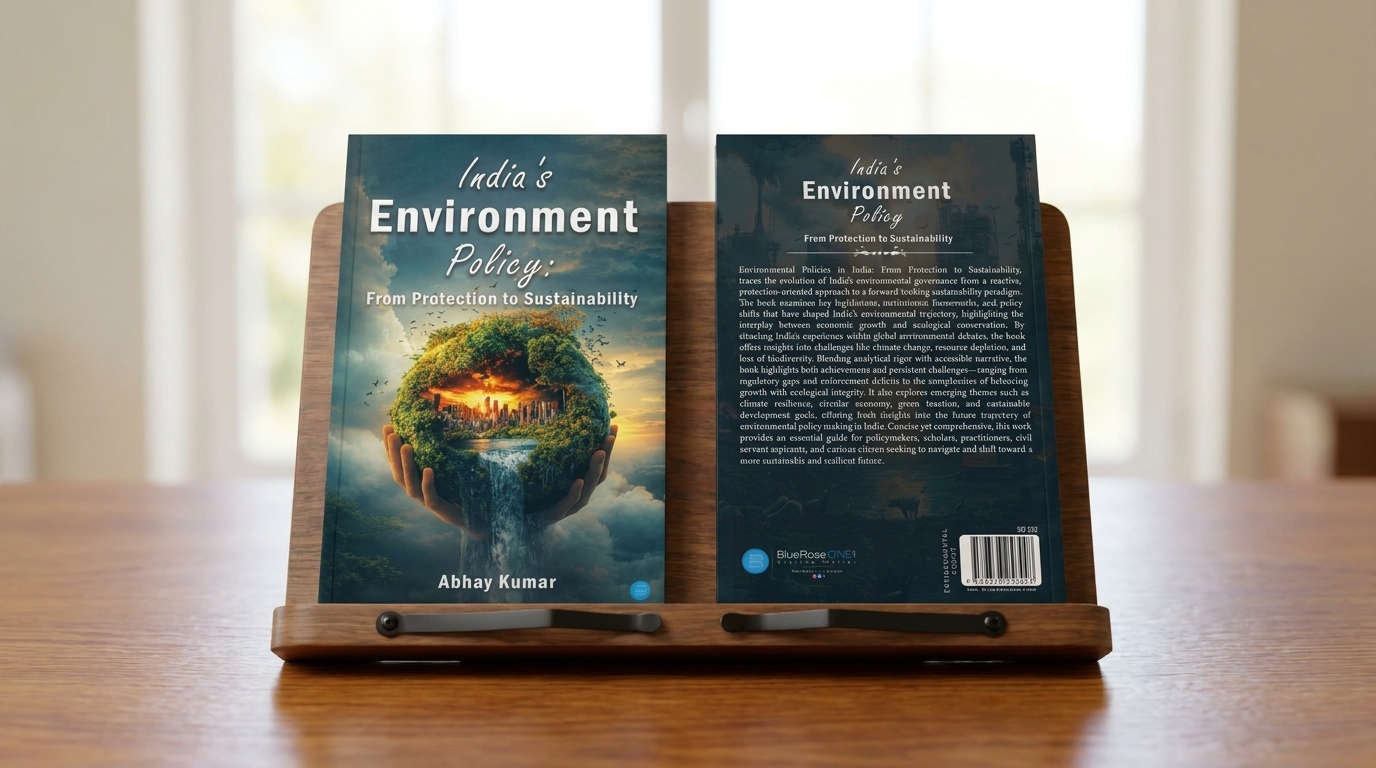
About the Book
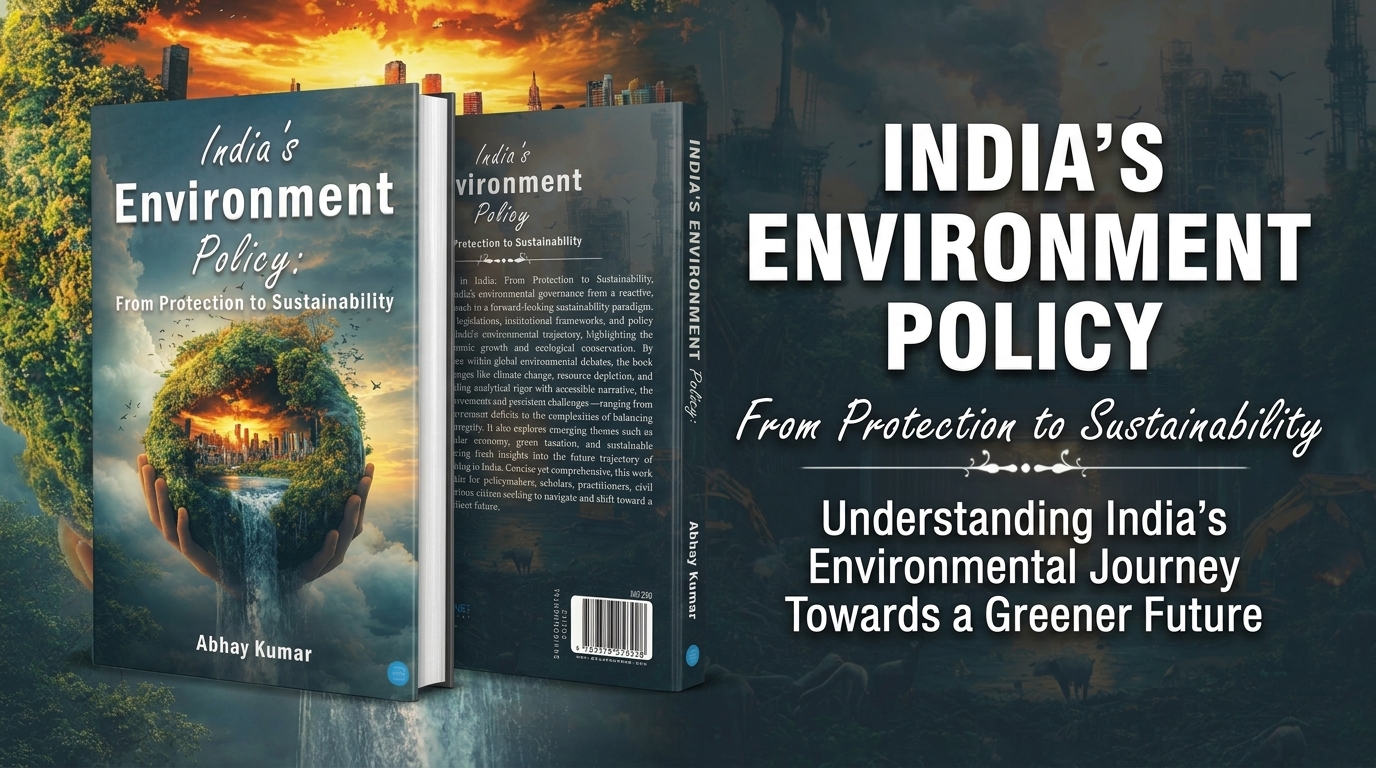
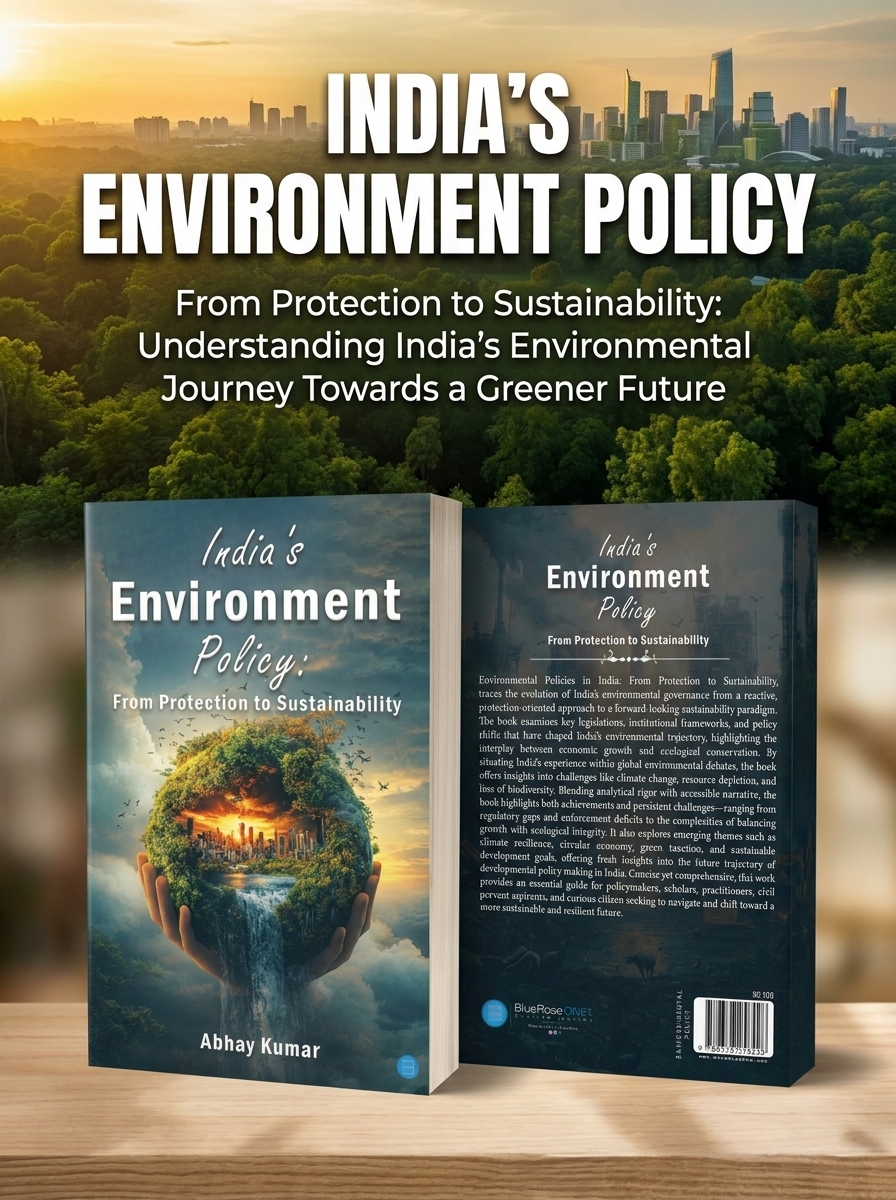
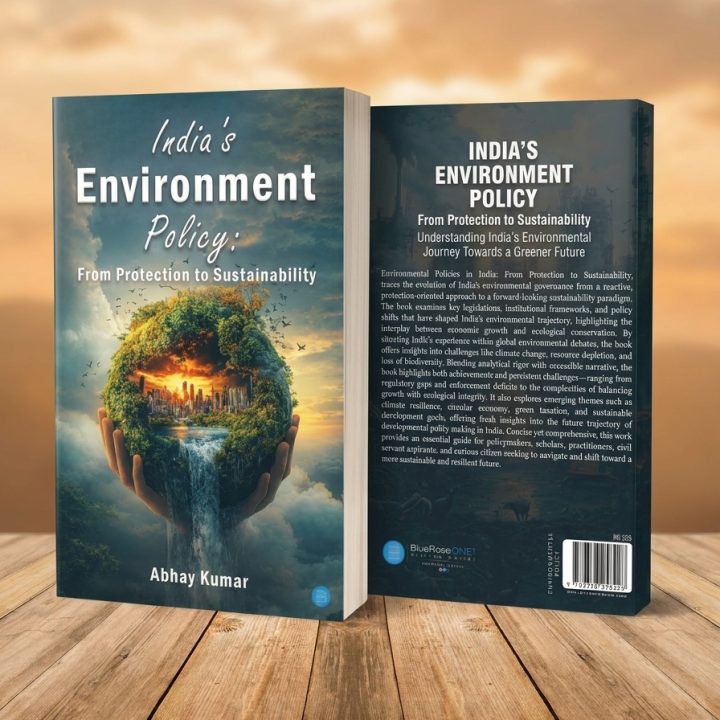
This book traces India’s environmental governance journey from a protection-oriented framework focused primarily on conservation and pollution control to a broader sustainability paradigm that integrates environmental concerns with economic development and social progress.
Through a comprehensive examination of key legislations, institutional structures, policy reforms, and governance mechanisms, the book highlights how India has responded to emerging environmental challenges while pursuing economic growth.
The book explores critical issues such as:
- Environmental legislation and regulatory frameworks
- Climate change policy and adaptation strategies
- Biodiversity conservation
- Natural resource management
- Environmental governance institutions
- Circular economy transition
- Green taxation and market-based instruments
- Sustainable Development Goals (SDGs)
Written in an accessible yet analytically rigorous style, the book offers readers a balanced understanding of both achievements and ongoing challenges in India’s environmental policy landscape.
Why This Book Matters?
Explains India's Environmental Journey
Provides a clear understanding of how environmental governance has evolved from fragmented regulations to comprehensive sustainability frameworks.
Connects Policy with Practice
Bridges the gap between legislation, institutional mechanisms, and real-world implementation challenges.
Makes Complex Issues Accessible
Simplifies intricate environmental and policy concepts without compromising analytical depth.
Offers Contemporary Insights
Addresses pressing issues such as climate change, circular economy, resource efficiency, and green growth.
Supports Better Decision-Making
Provides valuable knowledge for policymakers, researchers, practitioners, and informed citizens.
Encourages Sustainable Thinking
Highlights pathways for balancing economic development with ecological conservation and resilience.
Key Themes Covered in the Book
Environmental Laws and Institutions
Understand the evolution of landmark legislations including:
- Water (Prevention and Control of Pollution) Act, 1974
- Forest (Conservation) Act, 1980
- Air (Prevention and Control of Pollution) Act, 1981
- Environment (Protection) Act, 1986
Constitutional and Judicial Contributions
Explore how constitutional provisions and judicial activism have shaped environmental protection through doctrines such as:
- Polluter Pays Principle
- Precautionary Principle
- Public Trust Doctrine
- Right to a Healthy Environment
Governance Architecture
Learn about the roles of:
- Ministry of Environment, Forest and Climate Change (MoEFCC)
- Central Pollution Control Board (CPCB)
- State Pollution Control Boards (SPCBs)
- National Green Tribunal (NGT)
- NITI Aayog and sectoral ministries



About the Author
Meet Abhay Kumar
Abhay Kumar is a civil servant with the Government of India who has served in multiple ministries across diverse policy and administrative domains.
His extensive experience spans economic policy, environmental governance, public administration, and sustainable development. He previously served as Director in the Ministry of Finance and Deputy Economic Adviser in the Ministry of Environment, Forest and Climate Change (MoEFCC), where he worked closely on issues related to environmental policy and sustainable development.
Abhay holds a Master’s Degree in Economics from the prestigious Delhi School of Economics and a Master’s Degree in Public Administration from the Lee Kuan Yew School of Public Policy, National University of Singapore.
Combining practical policy experience with academic rigor, he brings a unique perspective to environmental governance, offering readers an insider’s understanding of how environmental policies are formulated, implemented, and evolved in India.
Connect with Abhay Kumar
For speaking engagements, policy discussions, academic collaborations, or media inquiries.